What You Should Know About Pipelines Built by Creek Pipe Texas
Wiki Article
Checking out the Advantages and Applications of Pipelines in Modern Infrastructure
Pipes are essential to modern infrastructure, acting as vital conduits for carrying oil, gas, and water. Their style prioritizes efficiency and lessens ecological impact. As urbanization and industrial demands enhance, pipes provide a reliable remedy to source distribution. The intricacies surrounding security, technology, and governing steps increase crucial questions. Understanding these variables is important to grasp the complete extent of pipes' duty fit future framework.The Role of Pipelines in Source Transport
Pipes play a vital duty in the reliable transportation of sources across huge ranges. Functioning as a foundation of modern-day framework, they promote the motion of liquids and gases, including oil, gas, and water. Created from durable products, pipelines are engineered to withstand differing ecological conditions while reducing the risk of tears and leaks. The layout and design of pipe networks are strategically prepared to attach manufacturing websites with refineries and distribution factors, making certain a steady supply of essential resources to industries and consumers alike.Pipelines are typically liked over other transportation approaches, such as trucks or rail, due to their lower operating expense and reduced ecological impact throughout transportation. Furthermore, they offer a constant circulation of resources, adding to energy security and economic security. These systems are important for meeting the expanding demands of urbanization and industrialization, making them important parts of worldwide profession and framework development.Environmental Benefits of Pipeline Equipments
Pipeline systems use significant ecological advantages by reducing carbon discharges compared to alternative transport methods. Their capability to carry sources efficiently decreases the total ecological footprint while guaranteeing that land disruption is maintained to a minimum. As a result, pipes stand for a sustainable option in contemporary framework advancement.Reduced Carbon Emissions

Although several transport techniques contribute considerably to carbon emissions, modern-day pipe systems use an even more eco-friendly alternative. Pipes are created to transport large quantities of liquids and gases over long ranges with very little power intake. This effectiveness converts to lower carbon impacts contrasted to rail or vehicle transport, which frequently need even more fuel and create higher emissions. Furthermore, pipes can lower the frequency of transportation, thereby reducing overall exhausts linked with logistics (Creek Pipe Company LLC). Developments in pipeline modern technology, such as sophisticated tracking systems, likewise boost safety and security and performance, in addition alleviating environmental impacts. As federal governments and sectors aim to meet climate objectives, the fostering of pipe systems stands for a substantial opportunity to decrease carbon emissions and promote sustainable framework development
Reliable Source Transport
A comprehensive network of modern pipe systems plays a necessary function in the reliable transportation of resources, greatly benefiting the atmosphere. By assisting in the activity of oil, gas, and water over long ranges, pipes lessen the need for alternative transport approaches, such as trains and trucks, which usually generate higher greenhouse gas discharges. This performance not only lowers the overall carbon impact associated with source circulation but additionally improves the supply chain, making sure that resources reach consumers in a prompt fashion. Furthermore, pipes are created for safety and integrity, which helps to stop leaks and spills, thus shielding local communities. The assimilation of innovative monitoring innovations even more improves this efficiency, ensuring that resources are transported with minimal environmental influence.Decreased Land Disturbance
Lessening land disruption is a crucial advantage of modern-day pipe systems, as they go across substantial locations with marginal ecological impact. Unlike standard transport methods, pipelines require a narrower right of way, decreasing the general footprint on communities. This streamlined method lessens habitat fragmentation, protecting the stability of neighborhood wildlife environments. In addition, pipes can typically be hidden listed below the surface area, further diminishing their physical and aesthetic influence on the landscape. Advanced construction techniques and cautious preparation add to reduced soil disintegration and disturbance of all-natural water flow. By properly moving sources like oil and gas with marginal interruption, pipeline systems represent a lasting remedy for modern-day framework challenges, stabilizing economic requirements with environmental stewardship. This consideration is important in an era significantly focused on ecological preservation.Economic Advantages: Cost-Effectiveness of Pipelines
Pipes supply considerable financial benefits, with research studies indicating that they can deliver huge quantities of resources at a fraction of the cost compared to various other approaches. This cost-effectiveness is mostly due to lower functional expenditures and minimized labor needs associated with pipeline transportation. Unlike vehicles or trains, pipes run continually, bring about improved performance and decreased delays.Additionally, pipes need less energy per ton-mile than other transport settings, even more decreasing total expenses. The initial financial investment in pipeline infrastructure may be significant; however, the long-lasting cost savings in maintenance and transportation costs usually surpass these costs.Moreover, pipes add to the economic vitality of areas by facilitating the movement of necessary products, thereby sustaining work production and regional services (Creek Pipe Texas). Their capacity to link remote manufacturing sites to markets improves source accessibility, cultivating financial development and stability in various sectorsSecurity Actions and Danger Management in Pipe Workflow
Safety and security procedures and risk management are crucial parts in the procedure of pipes, making certain conformity with governing criteria. Efficient emergency situation response protocols and advanced leakage detection technologies play an important role in reducing potential risks. By focusing on these techniques, pipe drivers can boost safety and security and secure both the setting and public health.
Governing Compliance Requirements
Reliable regulative conformity requirements play a crucial function in ensuring the safe procedure of pipeline systems. These standards are developed by environmental and governmental companies to reduce risks connected with pipe facilities. They encompass safety methods, ecological safeguards, and functional standards that organizations must comply with throughout the lifecycle of a pipeline. Regular evaluations, upkeep routines, and staff member training programs are essential parts of compliance, making certain that drivers are prepared to address prospective risks. Adherence to these policies cultivates public depend on and decreases the likelihood of mishaps, leakages, or environmental damages. By executing durable compliance measures, pipeline operators can enhance safety and sustainability, ultimately adding to the reliable functioning of modern-day infrastructure while safeguarding area rate of interests and environmental equilibrium.Emergency Feedback Protocols
While unanticipated cases can happen in spite of extensive compliance actions, distinct emergency reaction methods are important for mitigating threats linked with pipeline procedures. These procedures are developed to ensure fast and efficient activity during emergencies, minimizing prospective injury to individuals, the setting, and infrastructure. Key elements consist of clear communication channels, marked reaction groups, and methodical training exercises, which prepare employees for various emergency situation circumstances. In addition, collaboration with regional authorities and emergency responders improves the efficiency of these procedures. Regular analyses and updates to the emergency response plans permit continual renovation, adapting to brand-new threats and technologies. Ultimately, a robust emergency situation feedback structure cultivates security and resilience, instilling public self-confidence in pipe procedures.Leak Discovery Technologies
Drip discovery technologies play a vital function in boosting risk management within pipeline procedures. These innovative systems, consisting of fiber optic sensing units, acoustic monitoring, and pressure-based detection, allow for real-time tracking of pipeline stability. By recognizing potential leaks early, drivers can alleviate ecological influences and ensure the safety and security of bordering areas. In addition, the assimilation of machine knowing algorithms improves predictive abilities, allowing firms to anticipate failures before they happen. Normal upkeep and calibration of these innovations are essential for their effectiveness. As the need for sustainable and efficient infrastructure grows, the application of reputable leak discovery systems is basic in safeguarding sources and keeping public count on pipeline operations. Generally, these innovations are indispensable for modern-day pipeline administration.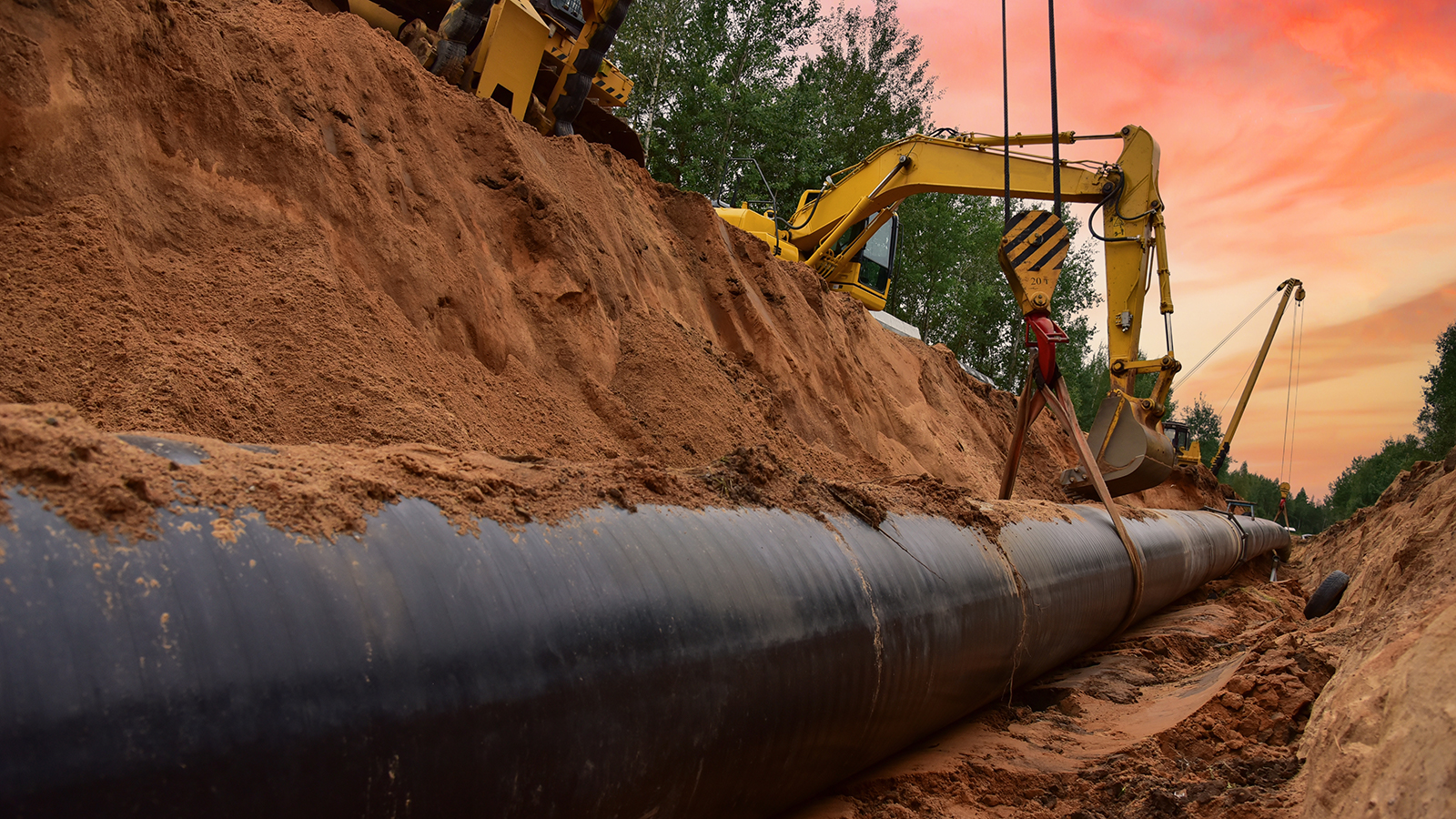
Technologies in Pipeline Technology
Countless advancements in pipeline innovation have actually changed the means energy and resources are moved throughout large ranges. Developments such as smart pipes leverage sensing units and IoT connection to check pressure, circulation prices, and architectural stability in real-time, improving safety and efficiency. In addition, the advancement of innovative materials, like composite pipes, offers superior resistance to corrosion and wear, extending the lifespan of pipeline framework. Automated inspection technologies, including drones and robot spiders, make it possible for thorough analyses of pipeline problems without disrupting operations. The combination of equipment knowing algorithms permits for predictive upkeep, identifying possible failings before they occur. These developments not only enhance transport systems but likewise add to decreased environmental effect and improved sustainability. As pipe innovation continues to advance, the industry can expect recurring enhancements in functional efficiency and safety criteria, mirroring a dedication to meeting modern-day framework needs properly.Regulative Structure and Requirements for Pipeline Facilities
As the demand for effective and secure pipeline systems boosts, a robust governing structure and rigid criteria become essential to ensure the honesty of infrastructure. Various nationwide and global companies establish these policies to resolve safety, environmental management, and functional effectiveness. In the United States, for circumstances, the Pipe and Hazardous Products Safety Administration (PHMSA) sets forth standards regulating the building, upkeep, and assessment of pipes. These requirements assure that operators employ best techniques in risk management and emergency readiness. In addition, the International Organization for Standardization (ISO) supplies internationally acknowledged criteria that facilitate cross-border procedure of pipes. Conformity with these policies not just decreases the possibility of crashes and spills yet also cultivates public count on pipe facilities. Continuous updates to these frameworks are essential, showing improvements in innovation and advancing sector obstacles, therefore enhancing the general resilience and sustainability of pipe systems in modern-day infrastructure.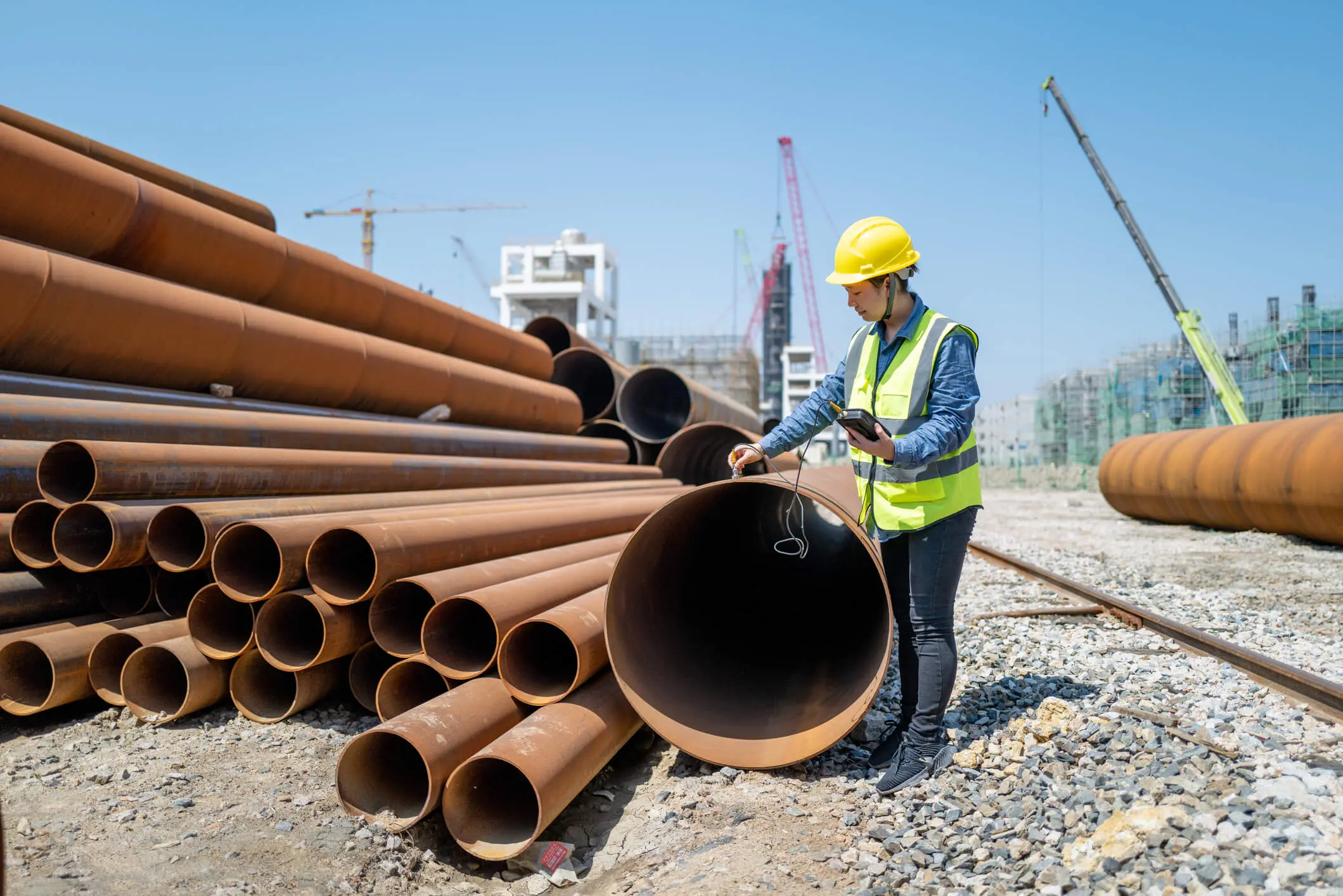
Future Patterns in Pipe Growth and Sustainability
What technologies exist in advance for pipe growth and sustainability? The future of pipe framework is positioned for significant advancements, concentrating on environmental impact and performance. Arising technologies, such as ai-driven analytics and wise sensing units, are expected to enhance monitoring and maintenance, lowering failures and leakages. Additionally, the assimilation of renewable resource resources right into pipe systems is obtaining grip, advertising a more sustainable method to energy transportation.Biodegradable materials and advanced layers are being explored to reduce eco-friendly damage in situation of spills. Furthermore, regulatory frameworks are expected to Creek Pipe Pipeline Construction evolve, stressing sustainability and carbon nonpartisanship, aligning with international environment goals. Cooperations between federal governments and industries may cultivate development, bring about improved lifecycle management of pipelines. On the whole, the future patterns in pipeline advancement are geared in the direction of resilience and sustainability, making sure that framework satisfies the needs of a transforming world while securing the setting.Often Asked Concerns
What Materials Are Frequently Made Use Of in Pipeline Building And Construction?
The materials typically utilized in pipe building consist of steel, pvc, and polyethylene. These products are selected for their sturdiness, resistance to rust, and ability to hold up against differing pressures and environmental problems throughout their functional lifespan.Just How Are Pipelines Kept Over Their Operational Lifespan?
Pipes are maintained with routine assessments, pressure testing, and rust monitoring (Creek Pipe Texas). Scheduled upkeep tasks, such as cleansing and repair services, warranty functional efficiency and safety and security, preventing leakages and prolonging the lifespan of the facilitiesCan Pipelines Be Made Use Of for Renewable Power Transportation?
Pipes can undoubtedly facilitate renewable power transportation, especially for biofuels and hydrogen. Their framework sustains reliable activity, enhancing and minimizing emissions energy distribution, thereby playing a necessary function in the shift toward sustainable power options.What Are the Key Difficulties in Pipe Building?
The major challenges in pipeline building and construction include ecological concerns, regulative conformity, geological barriers, funding issues, and technological restrictions. Each aspect complicates preparation and execution, often leading to delays and raised prices throughout the building and construction procedure.
Exactly How Do Pipelines Effect Resident Communities and Land Use?
Pipelines greatly influence local areas and land use by altering landscapes, influencing residential property worths, and possibly disrupting environments. Area worries usually arise relating to security, ecological impact, and the equilibrium in between economic benefits and regional health. By successfully carrying sources like oil and gas with very little disturbance, pipe systems stand for a sustainable option for modern-day framework difficulties, stabilizing financial requirements with ecological stewardship. Unlike vehicles or trains, pipelines run continually, leading to boosted efficiency and reduced delays.Additionally, pipes need much less power per ton-mile than other transportation modes, further decreasing overall costs. The preliminary financial investment in pipeline infrastructure may be considerable; however, the long-term cost savings in upkeep and transport costs often surpass these costs.Moreover, pipelines contribute to the financial vitality of areas by facilitating the movement of essential commodities, consequently sustaining task creation and local services. These requirements are developed by environmental and governmental agencies to minimize threats associated with pipe framework. In the United States, for instance, the Pipeline and Hazardous Materials Safety Management (PHMSA) sets forth guidelines regulating the construction, upkeep, and inspection of pipes.Report this wiki page